
Types of RVs Explained: How to Choose the Right One
So, you’re dreaming about getting an RV. Maybe it is for weekend getaways, summer road trips, or long-term travel. But with so many types of RVs out there, it is easy to feel overwhelmed before you even start shopping.
We have been there. Between the 2 of us, we have owned 5 different RVs.
We started with a tiny pop-up camper and worked our way up to a 44′-foot’ fifth wheel toyhauler. Some campers were great for quick adventures. Others made us realize exactly what we did not want. That is all part of the learning curve.
You might not find the perfect RV, but you can absolutely find one that fits your lifestyle and travel goals right now.
In this post, we will break down the different types of RVs, walk you through the pros and cons of drivable and towable setups, and help you start narrowing your options. Whether you are heading out for an occasional weekend away or gearing up for a major lifestyle change, this guide will help you find the RV that makes sense for you.

Why Choosing the Right RV Actually Matters
Here’s the deal. Your RV isn’t just a vehicle. It’s your tiny house, your weekend retreat, your mobile office, or your home base for adventure. Choosing the wrong one can make life on the road more frustrating than fun.
We’ve seen it happen. And after owning 5 RVs, we’ve learned that getting it wrong can be expensive, exhausting, and downright discouraging.
Take our 2000 Thor Chateau Class C, for example. We loved it for weekend getaways; it was easy to drive and had just enough space for short trips. But after spending a full week in it, we knew it was not going to work for long-term travel. It felt cramped, storage was limited, and it just was not built for that kind of use.
The right RV should make your life easier, not harder. It should match your travel style, fit your crew, and support your adventures. It should not make you dread packing up, parking, or navigating tight campsites.
Go too big, and you might struggle to find places to stay. Go too small, and you could be constantly annoyed by the lack of space.
That is why it is worth slowing down and choosing intentionally. When your RV fits your life, everything about the experience gets better.
What Are the Different Types of RVs?
Not all RVs are created equal, and that’s exactly why this choice can feel so overwhelming. For a broader definition of recreational vehicles and how they are classified, the RV page on Wikipedia is a useful reference.
From tiny teardrops to rolling mansions on wheels, there’s a setup for every kind of traveler. The trick is figuring out which one fits you best.
Let’s break it down.
Drivable RVs (Class A, B, and C)
These rigs have their own engine, so you just hop in and drive. Many people still choose to tow a small car behind them for easier errands and exploring once they are parked.
Class A
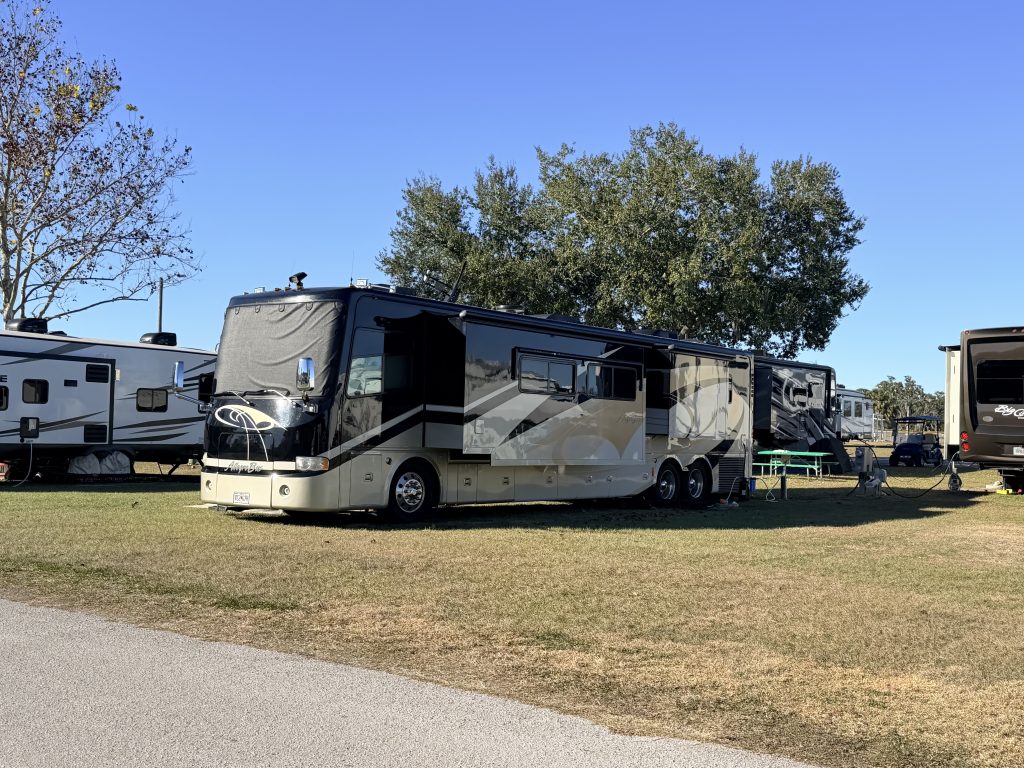
These are the big, flat-front RVs that look like tour buses. Sizes range from around 28 feet up to 44 feet or more. You will find generous storage, wide-open layouts, and high-end finishes.
The tradeoffs? They can be expensive to maintain and may not fit in every campground.
Class B (Campervans)
Built on van chassis, these are compact and easy to drive. They are great for solo travelers or minimalist couples.
Just know the living space is very limited. It might not be ideal if you are traveling with a large dog or lots of gear, although we have met people who make it work.
Class C
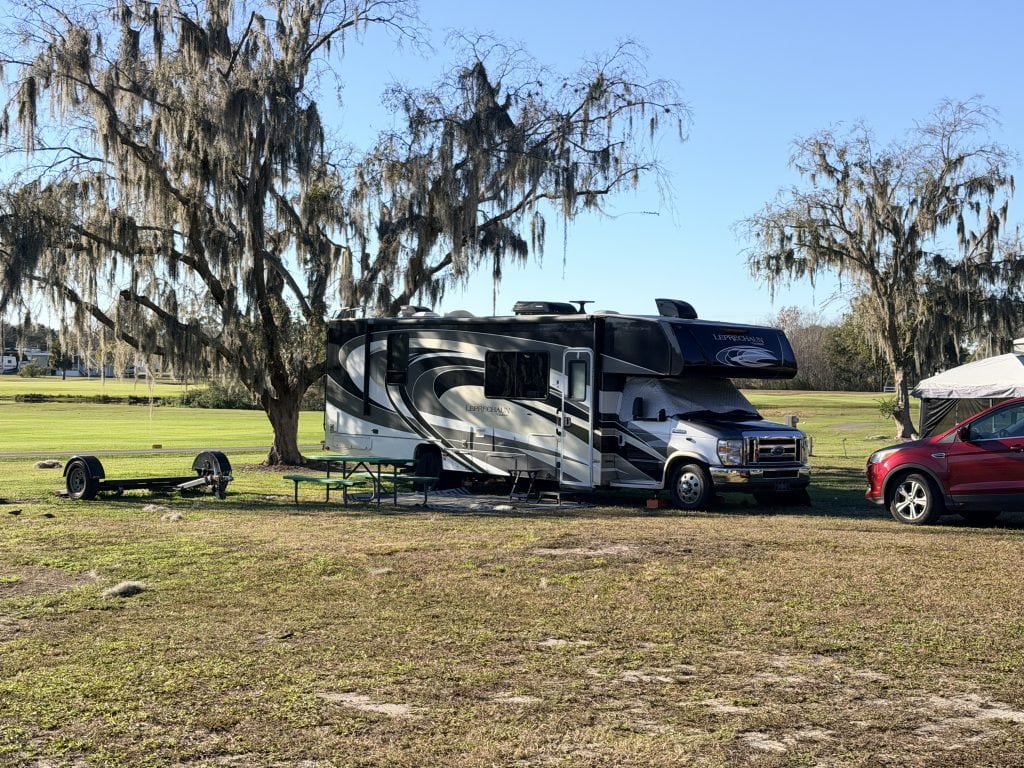
These sit on a truck or van chassis and usually include a bed over the cab.
They offer more space than a Class B and often feel easier to drive than a Class A.
Super C
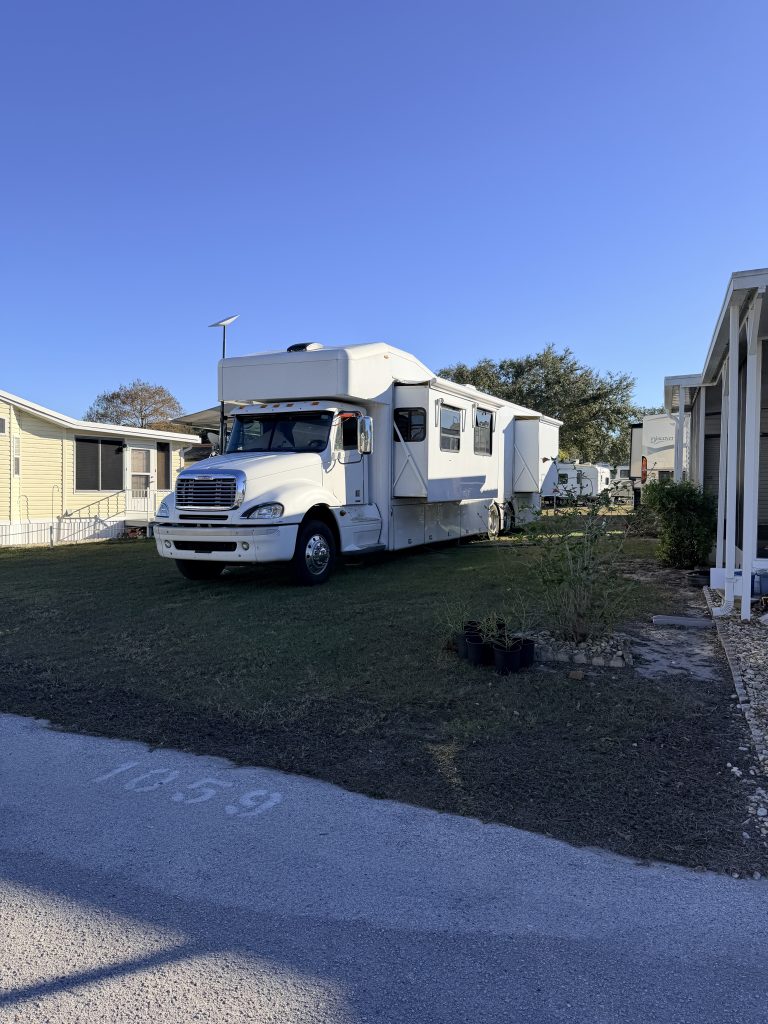
Think of these as the heavy-duty cousins of the Class C.
They are built on larger chassis with more towing power and space, they are great for people who want rugged capability with familiar drivability.
Truck Campers (Slide-In Campers)
Truck campers are compact units that slide into the bed of a pickup truck.
They’re a great option for solo travelers or couples who want to keep things small, simple, and go just about anywhere. Because they’re mounted to the truck, they’re technically drivable, but the living space can be removed when needed.
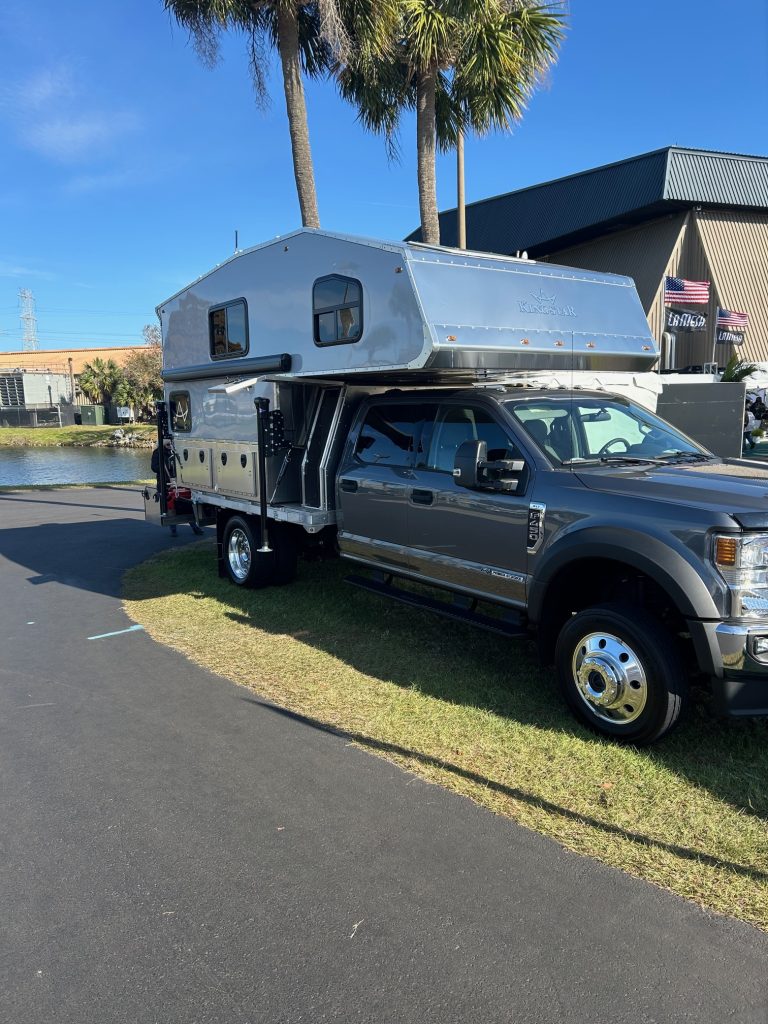
You’ll get basic amenities like a bed, small kitchen, and sometimes a wet bath, all in a compact footprint. These are especially popular with off-roaders, boondockers, and people who already own a heavy-duty truck.
The downside? Space is tight, and setup can feel a little more involved compared to other options. But if flexibility and mobility are your top priorities, a truck camper might be exactly what you need.
Towable RVs (Trailers and Fifth Wheels)
These do not have engines, so you’ll need a tow vehicle. The benefit? Once you’re parked, you can unhitch and use your truck or SUV to explore. That flexibility is a big plus for many travelers.
Pop-Ups & Teardrops
These are lightweight, budget-friendly, and easy to tow. Pop-ups have canvas sides and expand when parked, while teardrops are compact hard-sided rigs.
These are great for quick trips and folks who do not need much space.
Travel Trailers
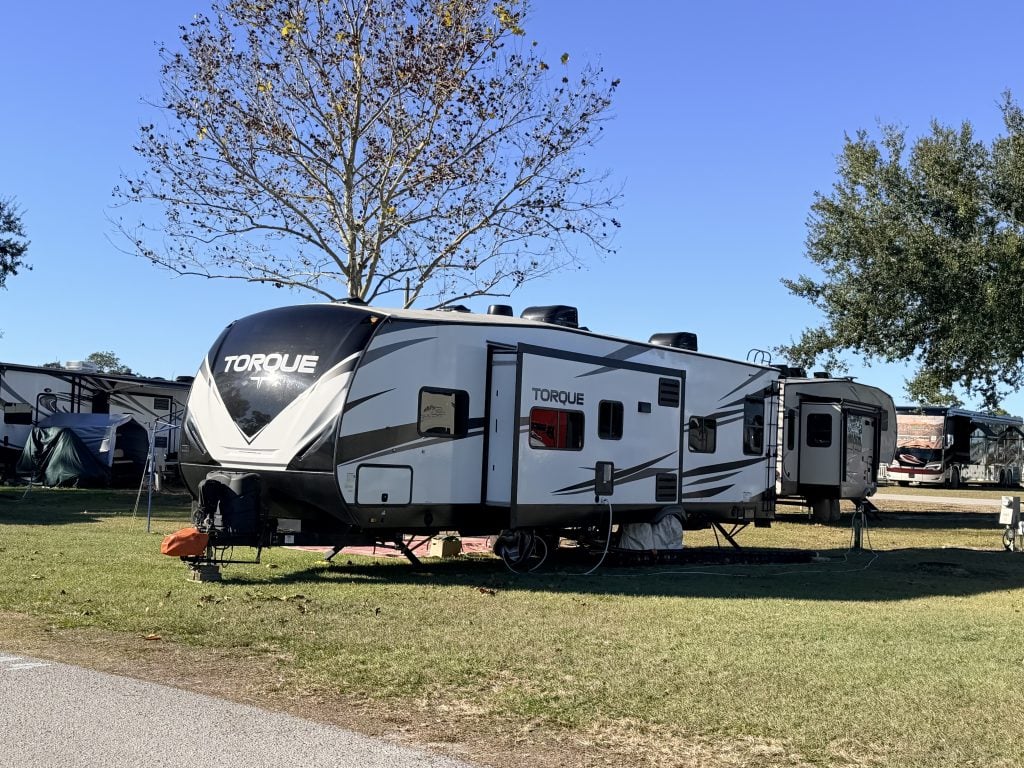
Also called bumper pulls, these come in all shapes and sizes. Some can be towed with SUVs, while larger ones require a more powerful truck.
They are super versatile but can be less stable to tow than fifth wheels.
Fifth Wheels
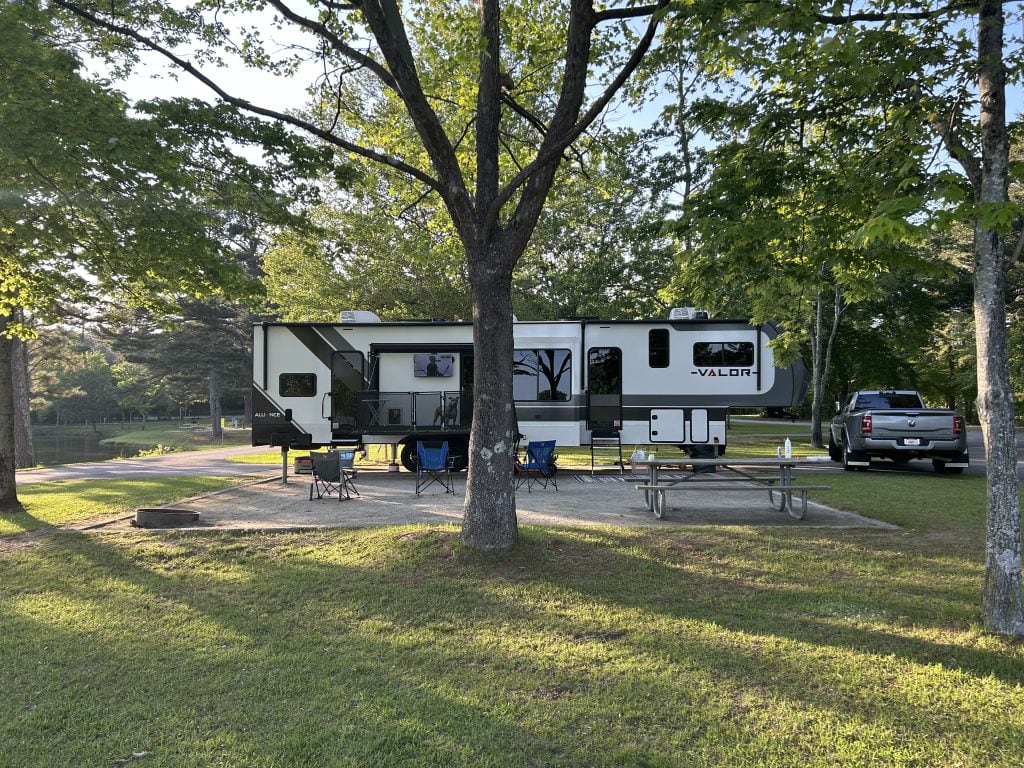
These hitch into the bed of a pickup truck, giving them better stability on the road. They tend to be larger, with taller ceilings and residential-style layouts.
The downside is you lose storage space in your truck bed, and most require at least a three-quarter-ton truck to tow.
Toyhaulers
Toyhaulers are not a separate category — they are a style available in travel trailers, fifth wheels, and even some Class A motorhomes. What makes them special is the garage space in the back, designed to carry gear like side-by-sides or motorcycles.
But that garage is more than just storage. In many models, the rear ramp turns into a patio. People use this area as a hangout space, office, extra bedroom, or dog zone. We use ours as all of the above, and Coco loves her patio time.
If you want to compare RV types by size, space, and basic features side by side, the GoRVing RV Types Comparison Tool is a useful visual resource to help you see how different rigs stack up.
For a different breakdown of RV classes and towable categories, this RV types overview offers additional context and simple descriptions.
Drivable vs Towable: Which Style Fits You Best?
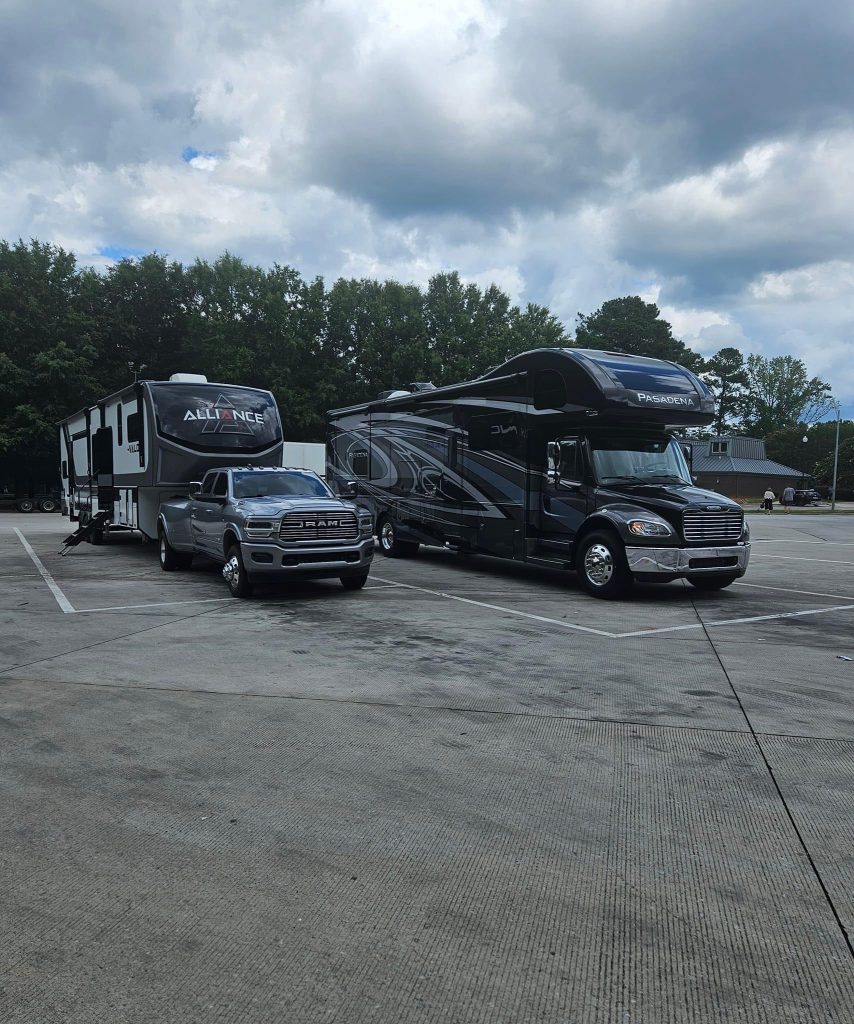
Now that you have seen the main types of RVs, one of the biggest decisions you will make is whether you want something you drive or something you tow.
That choice affects everything from travel days to campsite flexibility and long-term comfort. If you want a deeper breakdown of how those two setups compare in real life, we put together a full guide that walks through the pros, cons, and tradeoffs based on our own experience owning both.
Drivable RVs
Drivable RVs make life simple. You get in, turn the key, and go. The convenience is hard to beat, especially on travel days.
Want to make a sandwich while rolling down the highway? Use the bathroom without stopping? Watch a movie from the sofa? You can. (Assuming you are not the one driving, of course.)
Most drivable RVs have seatbelts on the sofa or dinette, which means many travelers feel like the trip starts the moment they leave the driveway.
But here is the tradeoff. Once you are parked, getting around typically requires a second vehicle. If you do not want to pack up and drive your entire rig to the grocery store, you will likely need to tow a car behind you.
Towable RVs
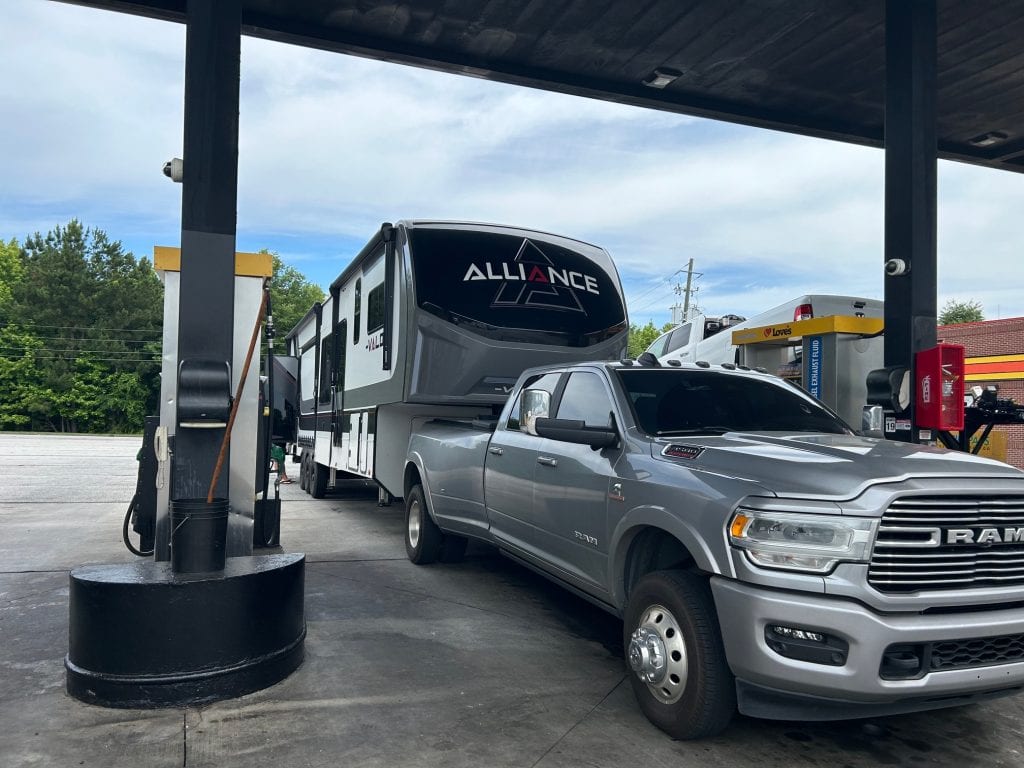
Towables, like travel trailers and fifth wheels, let you unhitch and use your tow vehicle for exploring, errands, or heading into town for dinner. That flexibility is a big perk.
Another bonus is space. Towables tend to make better use of square footage because they do not have a cab up front. In many motorhomes, the driver’s area becomes wasted space once you are parked.
There is no one-size-fits-all answer. Your ideal setup depends on how often you move, how far you travel, and how you want your travel days to feel.
How to Use This Info to Narrow Your Options
Now that you know the basic types of RVs and how drivable and towable setups compare, the next step is asking yourself what actually matters most to you.
Think about your travel style. Will you be camping every weekend or taking one big trip a year? Will you mostly stay in RV parks or explore national forests? Are you traveling solo or with kids, pets, and a mountain of gear?
You do not need all the answers today. But starting with your lifestyle goals will help you rule out what clearly does not fit.
If the thought of towing stresses you out, or backing up a trailer makes your palms sweat, you might lean toward a drivable RV like a Class C or campervan. If you prefer the flexibility of unhitching and using your vehicle for day trips, a travel trailer or fifth wheel will make that easier. If you want the most open layout and plenty of space for longer stays, a Class A motorhome or large fifth wheel could be the right fit.
You will find more clarity by eliminating the wrong options than chasing the perfect one.
And if you are still unsure, Part 2 of this guide walks you through the seven key questions we think every RVer should ask before making a decision.
👉 Read Part 2: 7 Questions to Help You Choose the Perfect RV
New to RV Life? Here’s What to Read Next
If you’re just starting your RV journey, we’ve got more resources to help you hit the road with confidence:
- 👉 RV Essentials for Beginners – Gear you actually need (and what you can skip)
- 👉 How to Plan Your First RV Trip – A step-by-step trip planning guide
- 👉 Helpful RV Apps – Navigation, campgrounds, weather, and more
- 👉 Unwritten Rules of RV Etiquette – Don’t be that neighbor
- 👉 RV Travel Is the Best Way to Explore the US – In case you need a reminder of how awesome this life is
Whether you’re setting up for the first time or the fiftieth, we’re glad you’re here—and we’re always just a blog post away.