
Towable vs Drivable RVs: Which One Is Right for You?
Trying to decide between a towable RV and a drivable one? You’re not alone. It’s one of the biggest choices new RVers face, and it can shape everything from how you travel to how you camp.
We’ve owned both styles. Our Class C was perfect for travel days and weekend getaways. Now we’re full-time in a fifth wheel toyhauler with more space and more setup time. Each option has its perks and tradeoffs.
In this post, we’ll break down real pros and cons of each setup, including comfort while driving, space inside the RV, fuel economy, ease of setup, and how each one handles repairs and propane. You’ll get honest insights from our own experience and tips from other RVers we’ve met on the road.
Whether you’re planning weekend trips, seasonal vacations, or full-time RV life, this guide will help you choose the setup that fits your adventure best.
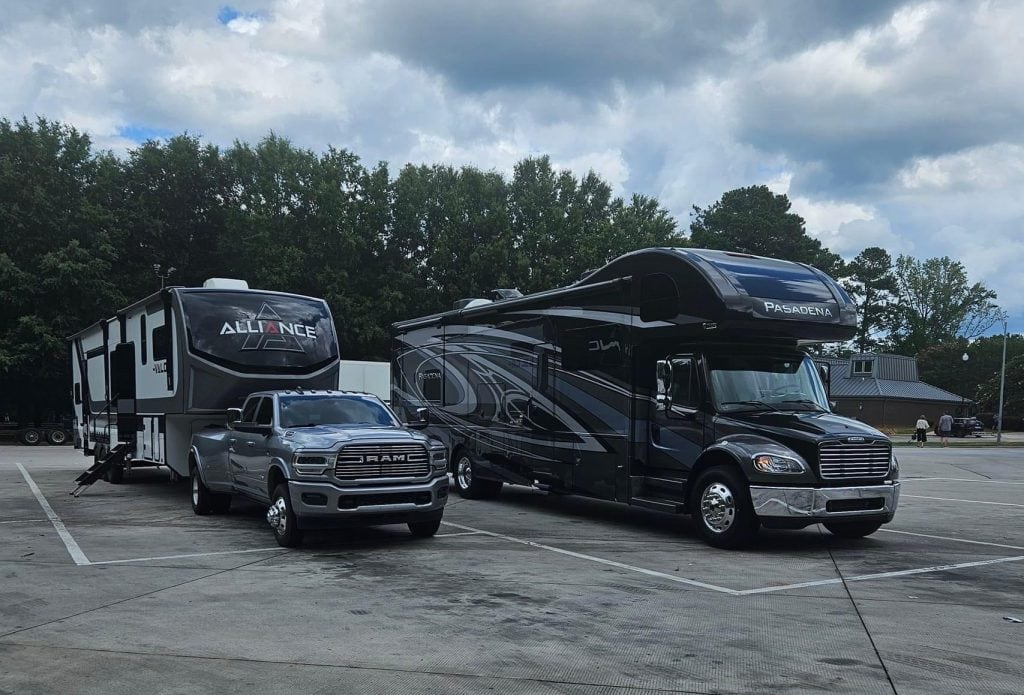
What Counts as a Drivable vs Towable RV?
Let’s start by making sure we’re comparing the right categories.
Drivable RVs have their own engine and can be driven without a tow vehicle. This group includes:
- Class A: Large flat-front rigs that look like tour buses
- Class B: Compact campervans built on van chassis
- Class C: Mid-size RVs with a cab-over bunk, built on a truck or van chassis
- Super C: Heavy-duty versions of Class Cs with more power and towing capacity
Towable RVs must be pulled by a separate vehicle. Common types include:
- Travel trailers: Also called bumper pulls, available in many sizes and layouts
- Fifth wheels: Hitch into the bed of a pickup, typically larger and more stable to tow
- Pop-ups and teardrops: Lightweight, compact options for minimalist campers
- Toyhaulers: Designed with a rear garage space for gear or vehicles. Most are travel trailers or fifth wheels, but a few Class A versions exist
If you want more details about each RV type, we break them all down in our Types of RVs Explained post.
Drivable RVs: Pros and Cons
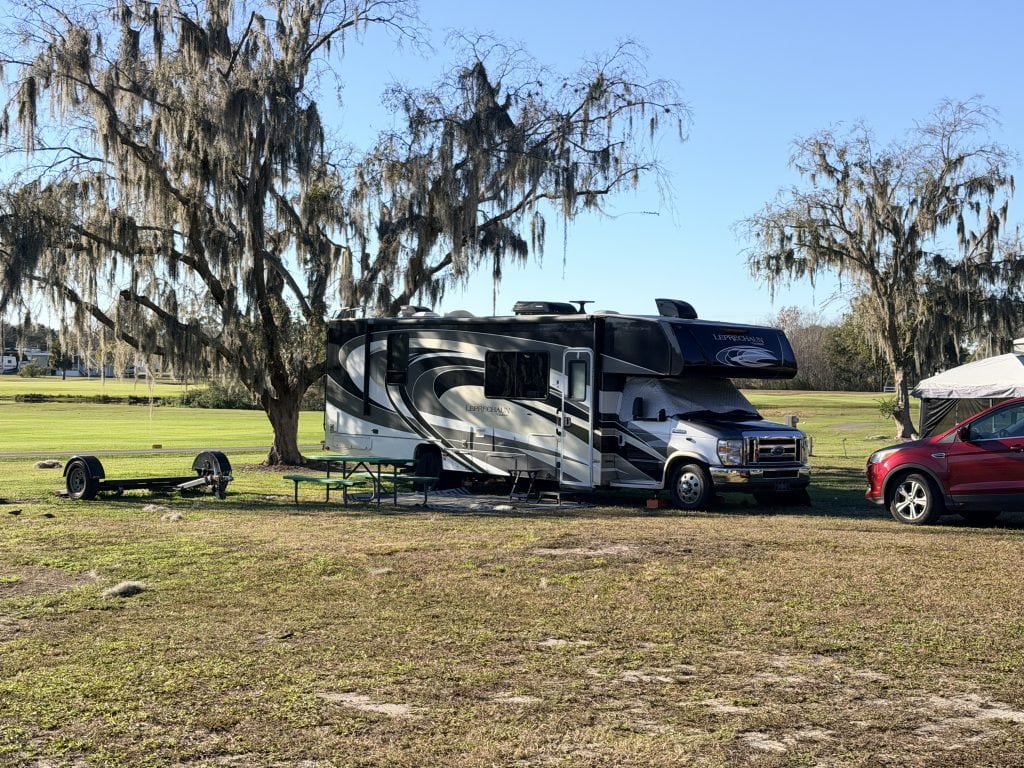
We loved our Class C for longer travel days. I could grab a snack, use the bathroom, or stretch my legs without pulling over. Coco napped on the floor or the sofa, and the whole ride felt more relaxed. It made road trips feel like vacation started the moment we pulled out of the driveway.
But once we were parked, things got a little trickier. We didn’t bring a car with us, so running errands or going out to eat meant driving the entire RV or borrowing a vehicle. That worked fine at off-road parks, but it wasn’t ideal in town.
Here’s what to consider if you’re thinking about going with a drivable RV.
Drivable RV Pros
- More comfort during travel: Passengers can move around, make meals, or use the bathroom while on the road
- Easy setup: Just park, level, and plug in
- No tow vehicle required: Everything you need is already built in
- Fast getaways: Many people love the ease of turning the key and hitting the road
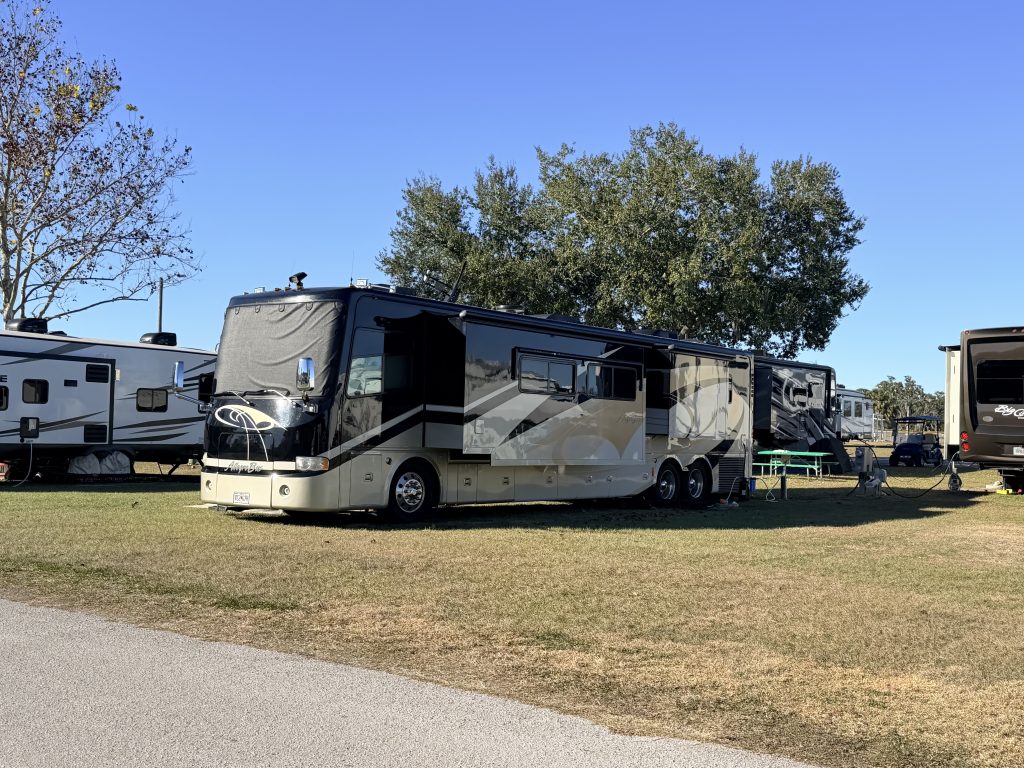
Drivable RV Cons
- Built-in propane tanks: Refills require moving the whole RV
- Limited mobility after setup: Unless you tow a car, you’ll need to drive your RV for errands
- Engine repairs can be costly: Access is often limited and may require specialized service
- Wasted interior space: The cab and driving area aren’t very functional once you’re parked
Towable RVs: Pros and Cons
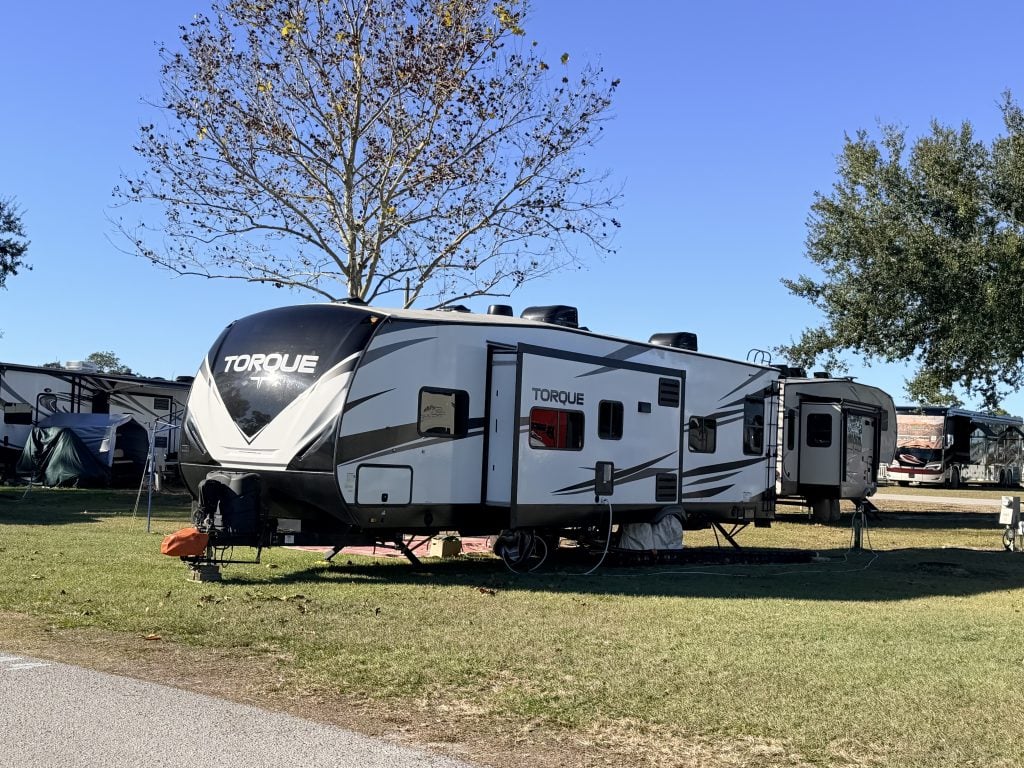
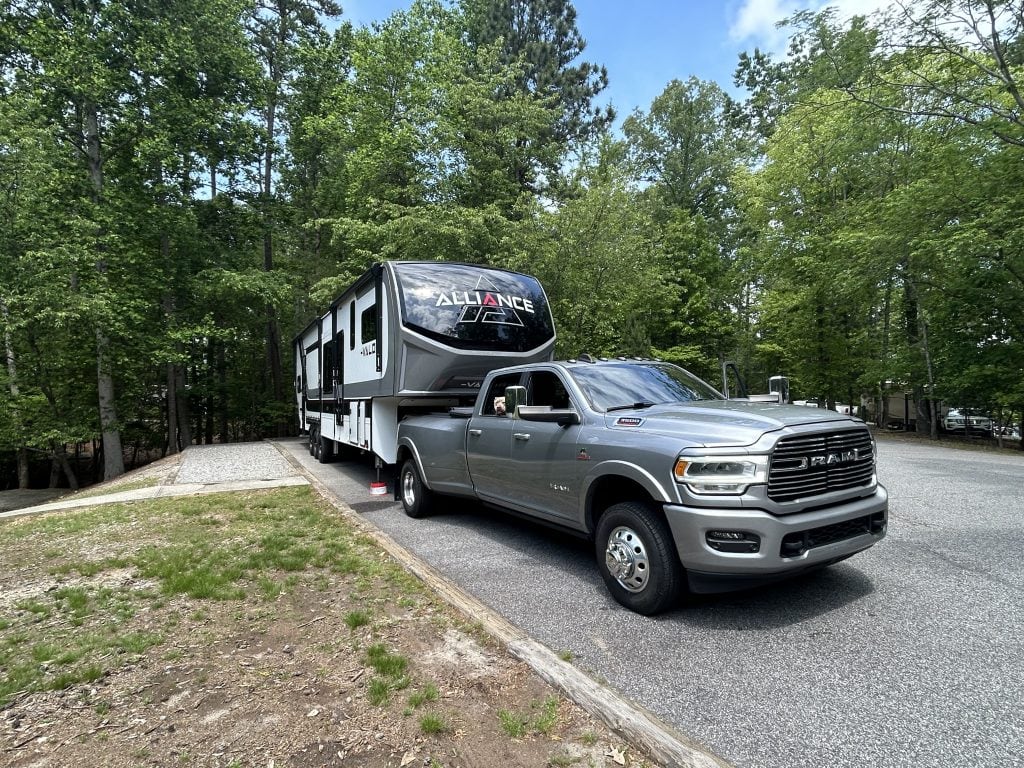
Our fifth wheel gives us a lot of space, and once we are set up, it truly feels like home. Travel days take more planning, though.
We have to make sure everything we might need is packed in the truck, including snacks, drinks, Coco’s things, and my laptop and charger, because we do not have access to the RV while driving.
We’ve learned that towables offer a lot of freedom once you arrive at camp, but they require a bit more effort to get there.
Here’s what to think about if you’re leaning toward a towable setup.
Towable RV Pros
- Separation between driving and living: Once you’re parked, your truck or SUV becomes your get-around vehicle
- Removable propane tanks: Easier to refill without moving the RV
- Flexible floorplans: With no cab area, layouts can feature front kitchens, rear living rooms, or dedicated offices
- More usable space: Often roomier than similarly priced drivable RVs
Towable RV Cons
- Driving a large truck can feel intimidating: Especially for those new to towing or for spouses that just want to run a few errands
- More involved setup: Hitching, unhitching, and securing everything takes more time
- You need a capable tow vehicle: If you do not already own one, it adds to the total cost
- No access while driving: Plan ahead for bathroom breaks, food, or pet comfort
Things to Think About When Choosing Between Towable and Drivable
Still not sure which way to go? Here are a few real-world factors that might help tip the scales one way or the other.
Driving or Towing Confidence
Comfort matters, especially on the road. If you’ve never driven or towed anything larger than an SUV, both setups can feel intimidating at first.
Drivable RVs may feel more top-heavy and require wider turns. Towable RVs can be affected by sway, especially in crosswinds, and backing them into a site takes practice.
If you’re unsure, consider renting both types or practicing in a large, empty parking lot. The more seat time you get, the more confident you’ll become.
Fuel and Maintenance
Comparing drivables to towables as a whole doesn’t work because fuel economy can vary wildly within both categories.
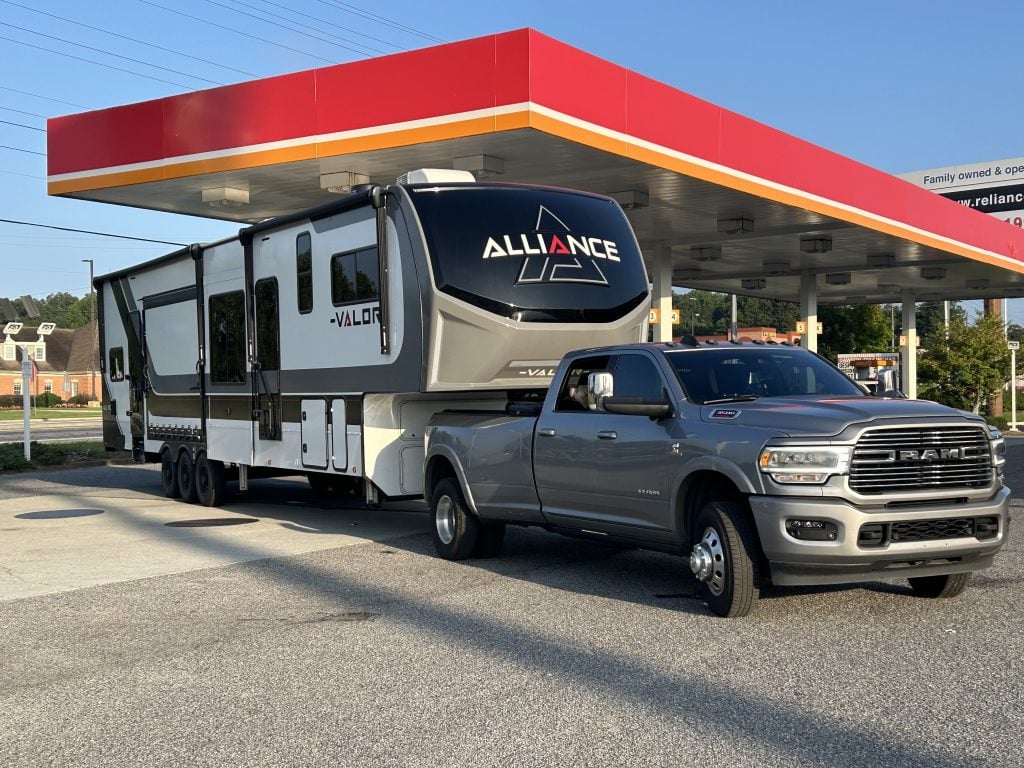
A diesel-pusher Class A pulling a Jeep will burn a lot more fuel than a campervan. Likewise, towing a 44′ fifth wheel with a dually will use more fuel than hauling a teardrop with a midsize SUV.
Drivable RVs also come with engine maintenance, which can be more expensive and harder to access. Towables avoid that, but they rely heavily on your tow vehicle’s power and reliability.
How Often You’ll Move
If you plan to move frequently, the simplicity of a drivable RV can be a big advantage. Less hitching. Less packing. Faster setup.
That said, plenty of full-timers with towables find their rhythm and do just fine. In fact, we can have our entire Fifth Wheel packed, hooked up, loaded (side by side and ebikes), and rolling in under 45 minutes.
If you’ll be staying in one spot for weeks or months at a time, a towable might offer more comfort and flexibility once you’re parked.
Propane Refills
Most towables have standard removable propane tanks that you can take to almost any refill station. It’s quick and convenient. Drivable RVs typically have built-in propane tanks. Refilling them means driving the entire rig to a station, which can be a hassle if you’re already set up at camp.

Still Deciding Between Drivable and Towable? Here’s What We Recommend
We’ve had both. Our Class C was great for travel days and quick getaways. Our fifth wheel gives us space to breathe and live comfortably for longer stretches. Each setup has its pros and cons, and the best choice depends entirely on how you want to travel.
Ask yourself:
- How comfortable are you behind the wheel of a large vehicle or towing a trailer?
- Do you want more living space once you are parked or more convenience while on the road?
- Are you willing to invest in a tow vehicle, or would you rather have everything combined in one?
There is no one-size-fits-all answer. That is why we created a full post with 7 questions to help you choose the right RV. If you are still unsure which RV fits your lifestyle, that is the best next step.
Already leaning toward a specific type? These guides can help you decide:
- Travel Trailer vs Fifth Wheel: Which One Is Right for You?
- Class A vs Class C: What’s the Difference?
Your RV should support your adventures and match your travel style. Whatever you choose, the right rig will make the journey even better.
New to RV Life? Here’s What to Read Next
If you’re just starting your RV journey, we’ve got more resources to help you hit the road with confidence:
- 👉 RV Essentials for Beginners – Gear you actually need (and what you can skip)
- 👉 How to Plan Your First RV Trip – A step-by-step trip planning guide
- 👉 Helpful RV Apps – Navigation, campgrounds, weather, and more
- 👉 Unwritten Rules of RV Etiquette – Don’t be that neighbor
- 👉 RV Travel Is the Best Way to Explore the US – In case you need a reminder of how awesome this life is
Whether you’re setting up for the first time or the fiftieth, we’re glad you’re here—and we’re always just a blog post away.