
How Do Full-Time RVers Make Money? 3 Ways We Do It
“So… what do you do for work?”
It’s the question we get more than any other. More than “what’s your favorite place you’ve visited?” More than “how do you get your mail?” (And y’all ask about the mail a LOT.)
Here’s the deal: most full-time RVers make money in one of three ways. Remote work, workamping, or seasonal jobs.
Plenty of people mix and match, and that’s exactly what we do. I work remotely, and Alan picks up workamping and seasonal gigs.
We’re not retired. Here’s a quick overview of what making money as a full-time RVer looks like for us, and what to think about before you decide how you want to work on the road.
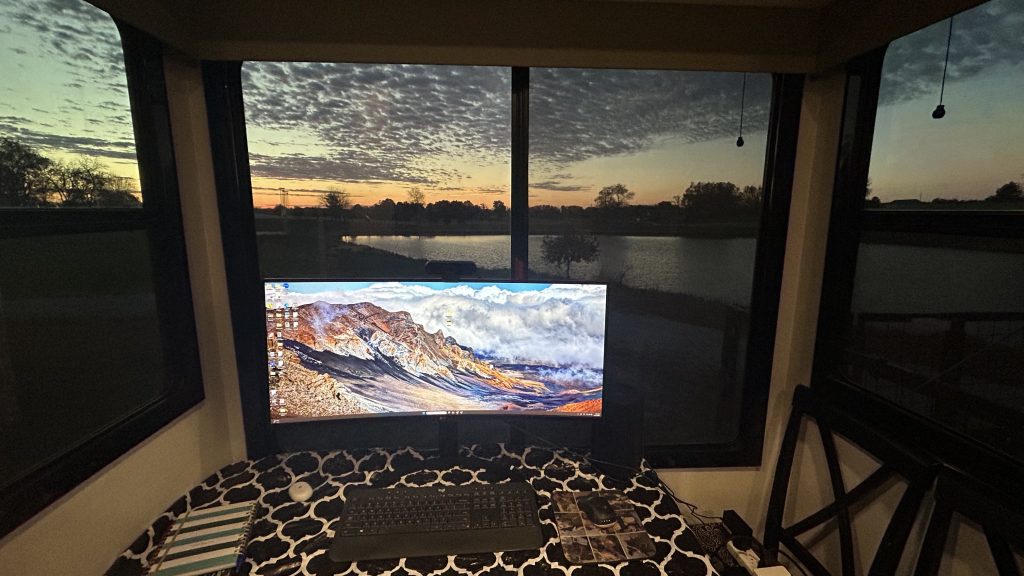
The 3 Main Ways Full-Time RVers Make Money
If you’re wondering how to make money as a full-time RVer, it almost always comes down to these three:
- Remote work: you do your job (or run your business) from a laptop, wherever the RV is parked. Heck, you can even work while driving down the road… well, ideally someone else would be driving, but you get what I’m saying.
- Workamping: you work at a campground or a nearby business, usually for a full camping season, in exchange for a free or discounted site and often a paycheck too.
- Seasonal jobs: short bursts of work tied to a harvest or a holiday. A few weeks of long hours, then you pack up and move on.
None of these is “the best.” The right fit depends on your skills, how often you want to move, and how much structure you want in your week.
Remote Work: How I Make Money on the Road
Before we went full-time, I owned my own business. And I loved it. But the problem was it was location specific.
It’s kind of hard to appraise houses in Georgia from a campground in Wyoming.
So when we decided we wanted to do this, I took a hard look at my skill set and asked one question: what could I still do from anywhere in the US? That’s how I became a Virtual Assistant, specifically a Virtual Executive Assistant.
Since then, I’ve grown into AI Integration work, helping businesses save time and money by putting AI to work for them.
I’ve now worked remotely from the RV for a year and a half, from campgrounds across more than half of the US.
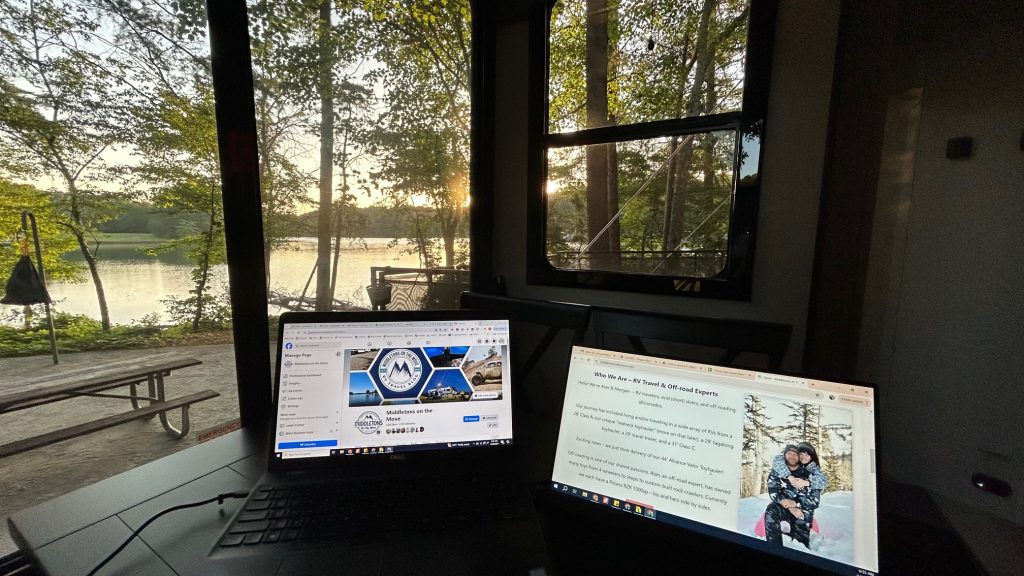
Remote work for RVers usually falls into two camps:
- Working for an employer that lets you work from anywhere
- Running your own online business or freelancing
Pro Tip: I moved to remote work before we hit the road, so we had guaranteed income from day one. If you want to work remotely, we highly recommend that you line up the remote income before you go full-time.
Staying Online Is Non-Negotiable
If you work remotely, the internet is your lifeline.
It can be a headache at times, but we carry three options, so I almost always have service:
- T-Mobile Home Internet: our first choice and everyday setup
- Verizon on my phone: I hotspot from it on travel days or short stops where T-Mobile doesn’t work
- Starlink: on standby mode unless we absolutely need it, because it costs a lot more than T-Mobile. We’ve needed it a few times, in Wyoming and Michigan specifically.
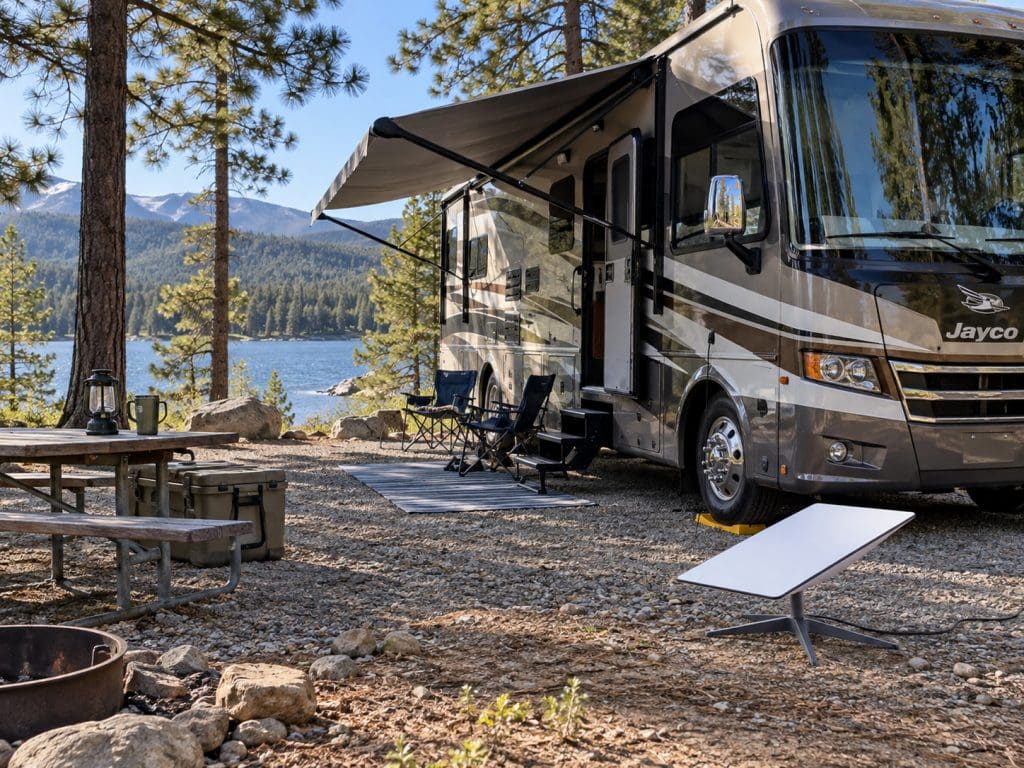
Three options sounds like overkill. Right up until the day you need the third one.
And don’t get me started on campground WiFi. Sometimes it’s great… oftentimes it’s not. I would NOT recommend relying on it.
Workamping: How Alan Makes Money on the Road
Workamping (you’ll also see it spelled workcamping or work camping) means trading your time for a campsite, and often a paycheck too.
Most gigs run for a full camping season, often April to October or November to April. And most workampers work at the campground or a nearby business, not from inside the RV itself.
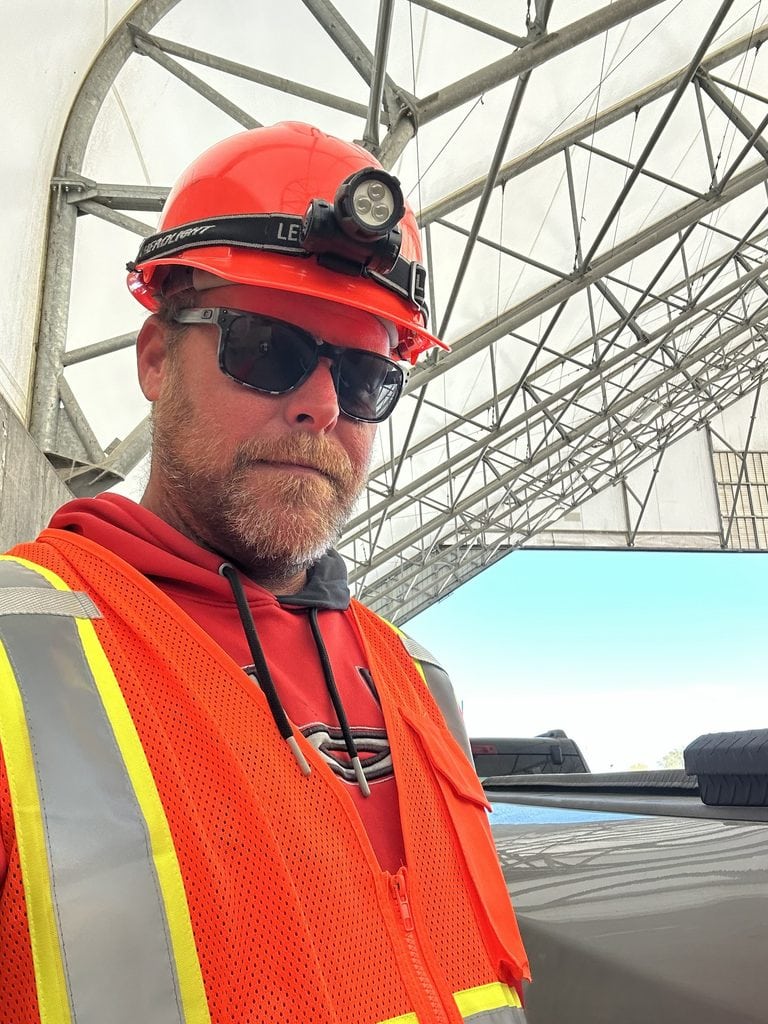
Alan has workamped in Wyoming, Michigan, Florida, and Maine, mostly in the maintenance department. For him, that has covered a lot of ground:
- Fixing whatever breaks (and something always breaks)
- Preventative maintenance
- Painting
- Cleaning sites before and after guests
- Leading guests to their sites
- Pool maintenance and cleaning
Other Workamping Jobs (If Maintenance Isn’t Your Thing)
Maintenance is just one option. Depending on the campground, workampers also:
- Work as camp hosts
- Run the office or front desk
- Plan and lead activities
- Bartend or serve
- Work as pool attendants
The list varies significantly from place to place, so it’s worth looking around before you assume workamping means fixing toilets.
What a Workamping Deal Actually Looks Like
Let’s be real: it varies, a lot, because every campground sets its own terms.
Alan has always chosen gigs where every hour he works is paid. Sometimes the site was free. Sometimes it was minimal rent, under $200 a month.
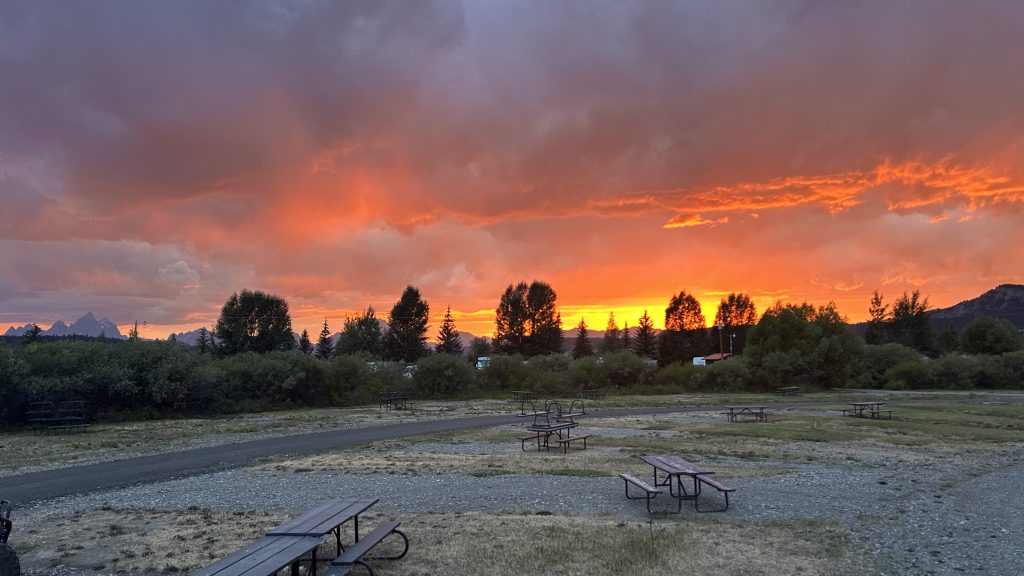
But not every gig pays. Some are volunteer roles where all you get is a free site. Campground host positions on public lands, like the ones listed on volunteer.gov, often work this way.
That can be a great deal if you have other income or are retired with a pension. Or if your significant other has a remote job and you want to be located in a specific area.
Bottom line: read the fine print before you say yes. Ask how many hours they expect, whether every hour is paid, and what the site costs.
How to Find Workamping Jobs
Alan has found his roles through Facebook groups and word of mouth from other campers and friends. RVers talk, and a good campground job gets passed around fast.
If you’re starting from scratch, job boards like Workamper News list openings from campgrounds and businesses all over the country.
For full-season jobs at places like national parks and resorts, CoolWorks is another one to check, and many of those jobs include housing.
Seasonal Jobs: Short, Intense, and Good Money
Seasonal jobs are short bursts of work, usually tied to a harvest or a holiday. Think long hours for a few weeks, with a paycheck that makes it worth it.
Alan’s big one: the Sugar Beet Harvest. He worked as a Lead for about 7 weeks in the fall.
- Training: Monday through Friday, usually 11-hour days
- Main harvest: every single day, 12.5-hour shifts (some people had 9-hour shifts, depending on the location)
- The work: a LOT of standing
- The upside: great overtime
It’s not for everyone. But he liked it enough to go back for a second year.
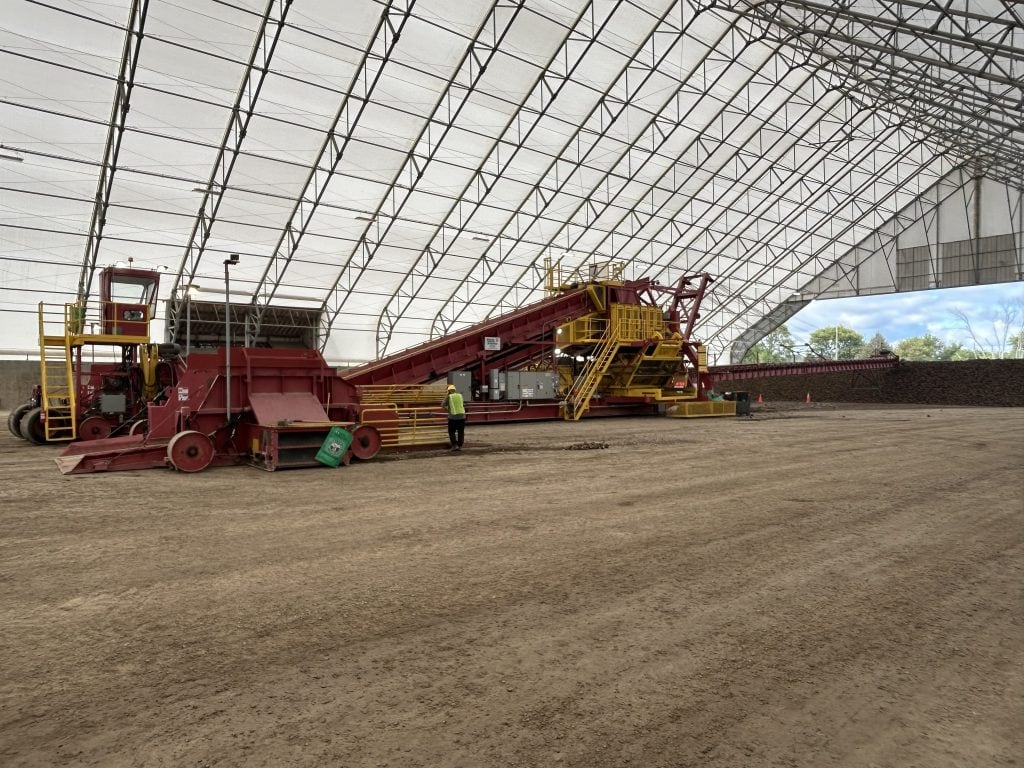
There’s plenty of other seasonal work out there too, at Christmas tree farms, fireworks stands, and pumpkin patches, to name a few.
How We Make It Work as a Two-Income RV Household
Here’s the part nobody tells you: two kinds of work means two different schedules.
Alan often has time off between gigs. I don’t. My clients don’t care that it’s a travel day, so we have to be strategic about when we move.
And yes, I’ve taken meetings from my laptop while we were rolling down the road. Alan drives, I work, everybody wins.
Why We Didn’t Wait Until Retirement
Before going full-time, we both had careers. Long hours, not enough vacation, and outdoorsy hobbies that needed way more than a long weekend.
Then Alan had a health scare that led to multiple surgeries before 40. He’s healthy now, but it made us realize nobody is guaranteed another day, month, or year.
So we didn’t wait. We figured out the money first, then we went. If you’re asking yourself “could we really go full-time in our RV?”, the work question is usually the first one to answer.
And if you’re seriously considering it, start with what to know before you travel America in an RV.
Which Option Is Right for You?
There’s no single right way to make money as an RVer. Quick gut check:
- Have skills that work from a laptop? Remote work gives you the most freedom to travel on your own schedule.
- Like hands-on work and staying put for a full season? Workamping can bring your camping costs way down.
- Want a big paycheck in a short window? Seasonal jobs like the harvest can deliver, if you can handle the hours.
- Not sure? Do what we did and mix them.
Ready to Dig Deeper?
We’ll be breaking each of these down in their own posts: how to find remote work, what to ask before you take a workamping gig, and more. Want them as soon as they go live?
👉Join our newsletter and we’ll send them your way.
Sign up for Our Weekly newsletter!
New to RV Life? Here’s What to Read Next
If you’re just starting your RV journey, we’ve got more resources to help you hit the road with confidence:
- 👉 RV Essentials for Beginners – Gear you actually need (and what you can skip)
- 👉 How to Plan Your First RV Trip – A step-by-step trip planning guide
- 👉 Helpful RV Apps – Navigation, campgrounds, weather, and more
- 👉 Unwritten Rules of RV Etiquette – Don’t be that neighbor
- 👉 RV Travel Is the Best Way to Explore the US – In case you need a reminder of how awesome this life is
Whether you’re setting up for the first time or the fiftieth, we’re glad you’re here—and we’re always just a blog post away.